

This Paternoster boutique hotel could be the best beach stay in the country
There's no shortage of places to sleep in this West Coast village, but Strandloper ticks every luxury box (plus its championing endangered Black Harriers in its back yard)

- Pippa de Bruyn
AT A GLANCE HOW THIS STAY REDUCES ITS IMPACT
Energy usage Hybrid solar and grid electricity; inverter and battery backup system; renewable energy expansion ongoing.
Water usage Indigenous drought-resilient landscaping; water consumption monitored; guests encouraged to reuse towels and linen so washing kept to a minimum.
Waste management Waste separated on-site and collected by recycling partner; single-use plastics are being replaced with refillable systems; glass water bottles in rooms; kitchen composting in progress.
Culture + community 70% of staff local; market-related salaries with annual increases; ongoing training and personal development; support two community-based wellbeing organisations.
Biodiversity + ecosystems Located in a sensitive West Coast coastal ecosystem; no pesticides used; natural pest control facilitated; part of rewilding and Black Harrier protection initative.
Carbon footprint From Cape Town return in large, petrol car = 0,05 tCO2

MAIN IMAGE Ocean-facing rooms have gorgeous views overlooking the fynbos and beach beyond ABOVE Looking back at Strandloper from the beach IMAGES Courtesy Strandloper Ocean Boutique Hotel; Jonathan Quenet
Why Paternoster? Endless beach, pristine fynbos
With a long, broad stretch of compacted white sand, ideal for long walks, lapped by gently rolling breakers, the sheltered bay of Paternoster is considered the most picturesque on the West Coast.
Strandloper Ocean Boutique Hotel enjoys the best location there: on the edge of the village, on its own crescent of sand and overlooking miles of preserved coast.
Only two hours from Cape Town, what was once a humble fishing village has been extensively gentrified, but strict building regulations have created a fairly regimented streetscape of limestone walls and pitched roofs.
REVIEW: This tiny seaside eco-cabin overlooks a massive, mesmerising view
When Wolfgat, where Kobus van der Merwe produces extraordinary hyper-local foraged seasonal tasting menus, was named Restaurant of the Year at the 2019 World Restaurant Awards, Paternoster became a must-experience for global gourmands.
Conveniently laid-back Leeto, Strandloper’s in-house restaurant, is another of the village’s destination’s eateries.
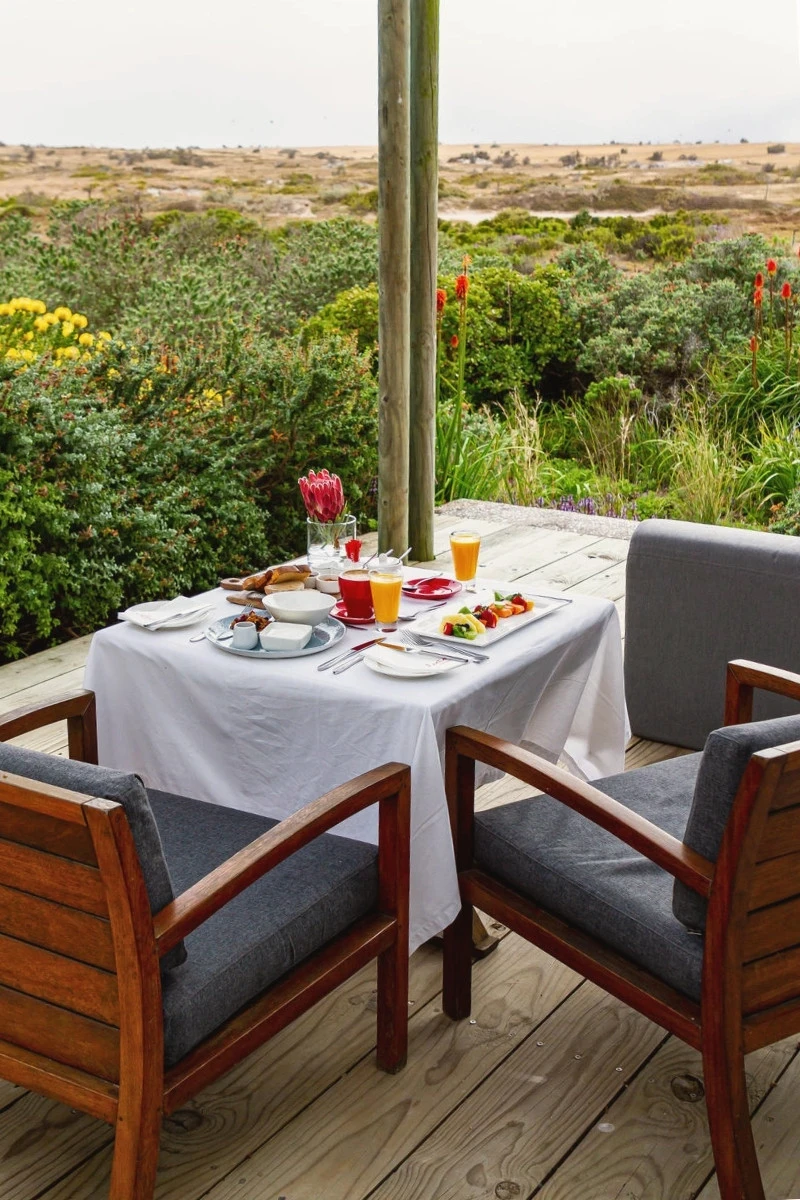
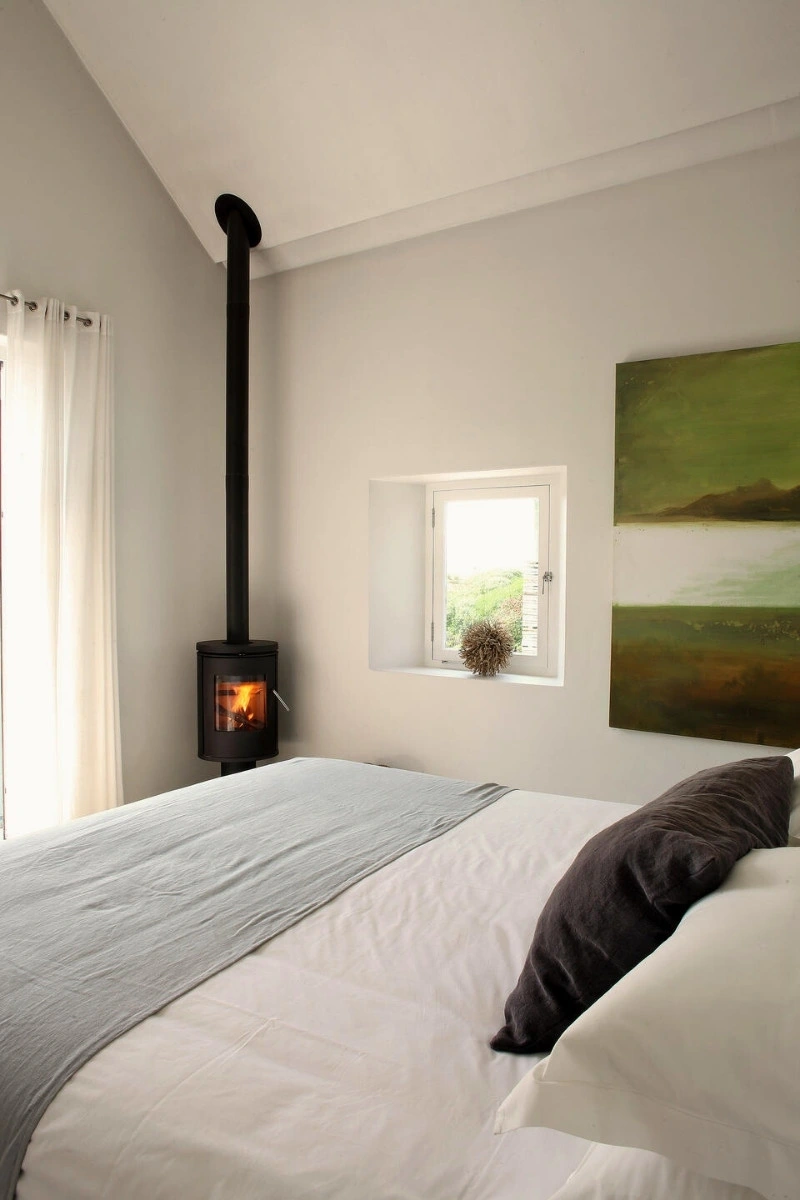

Clockwise from top left: Breakfast on the patio of the Nature King Suite, which looks out over abundant fynbos; there are fireplaces in all rooms but Courtyard rooms; the Ocean King Suite’s tranquil, minimalist interior IMAGES Courtesy Strandloper Ocean Boutique Hotel; Amy Lyn Everleigh
The stay: rooms, architecture, atmosphere
When locals Deon Brand and his German-born wife Simone Jacke opened their elegant beachfront refuge at the end of 2011, they not only raised the style bar in the village but created the most sophisticated beach hotel in the Cape.
Atmospherically and architecturally it’s more modern luxury beach cottage than hotel: a series of single-storey buildings with clean-lined, Scandinavian-influenced interiors – comfortable but sparsely furnished; quality materials, the warmth of timber against cool sheets of glass; an earthy monochromatic palette with pot plants providing pops of green.
REVIEW: The ultimate group getaway is in the Cederberg (and it has a river)
Aside from the pool, the restaurant is the only real communal space; it’s casual and unostentatious, with a wall of glass framing gorgeous sea views. The attention to detail is most evident in the 16 cocoon-like rooms.

Rooms echo the nature outside in tone and are calming. Owner Simone Jacke’s aim was to create an environment conducive to slow travel IMAGE Marco Santini
The food: sustainable seafood, regional produce
Chef Garth Almazan offers fresh, unfussy fare, respectful of ingredients, with a focus on sustainable seafood. It’s unpretentious, delicious and with the excellent setting and waitstaff, something of a destination restaurant.
The West Coast seafood linguini is a signature, made with fish, prawns, calamari, mussels, spinach, spring onion, slow-baked tomatoes, mushrooms, fine herbs, soya and a hint of chilli cream sauce; marinated kudu loin with sweet potato croquette is also popular.
The owners have committed to sourcing more local suppliers this year, saying the menu will reflect those origins. The hotel is also developing a small herb and vegetable garden for the kitchen.

Leeto’s offers fresh, seasonal fare with a focus on regional ingredients IMAGE Courtesy Strandloper Ocean Boutique Hotel
How Strandloper approaches sustainability
For Simone, sustainability means stewardship, from investing in the Paternoster community to rewilding the natural environment and boosting biodiversity.
The rewilding initiative is restoring the coastal habitat they’re surrounded by. Now they regularly see the shy Cape Clawless Otter, the Western Barn Owl and, occasionally, caracal, Cape foxes and small antelope. Owl houses have been put up to encourage the natural control of field mice numbers.
What they’re most excited about, though, is the Black Harrier breeding pairs settled in the area. It’s one of the most threatened raptors in the world with only around 1 300 individuals left. Simone and Deon, working with conservationists and wildlife photographers Peter and Beverly Pickford, are pursuing a formal Black Harrier sanctuary on site.
(Note: Parts of this review first appeared online in The Telegraph.)
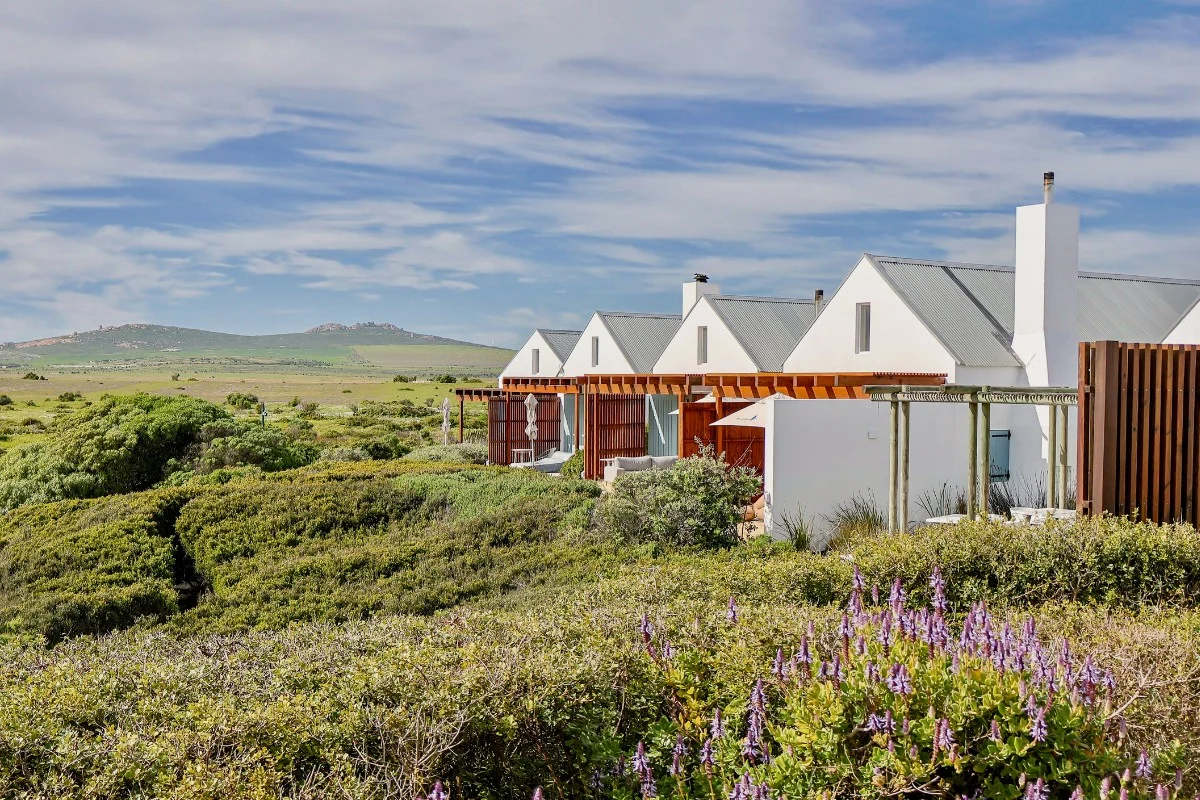
The land around Paternoster and the hotel is being rewilded and has seen the return of small wildlife IMAGE Courtesy Strandloper Ocean Boutique Hotel
DETAILS
Stay There are 16 rooms in five categories: entry-level Courtyard (perfectly spacious, with doors sliding open onto a private courtyard with an outdoor shower), Courtyard Lux (similar but with a fireplace), and Ocean Suite, Nature King and Ocean King (all have lounge and fireplace; Ocean Suite and King are sea-facing). Prices range from R3 800 to R16 600 per room (incl. breakfast) depending on the season.
Need to know The sea here is frigid, but there’s a decent-sized swimming pool in the courtyard (protection from the wind) and a cute spa. There are no facilities specifically for guests with disabilities. This is a hotel best suited for adults and it doesn’t accommodate children under 12.
Activities There are a variety of activities: beach buggy fynbos safaris, guided coastal bush hikes, horse riding, kayaking and bikes are on offer. Pathways lead directly from the hotel onto a beach which is made for walking.
Website Strandloperocean.com
STRANDLOPER'S APPROACH TO LOW-IMPACT OPERATIONS
ENERGY The hotel runs on a hybrid model combining grid electricity with solar power and an inverter/battery backup system. Solar offsets grid reliance and provides resilience during outages. Renewable energy expansion is an ongoing goal for this year.
WATER Indigenous, drought-resilient landscaping minimises irrigation needs and supports local biodiversity. Water consumption is monitored, and guests are encouraged to be mindful of water use and reuse towels and linen to reduce unnecessary laundering.
WASTE Waste is separated on-site into dedicated recycling streams and collected by a partner waste removal company. Single-use plastics are being phased out and replaced with refillable systems; they use paper bin liners and biodegradable straws; glass water bottles are already in rooms. Working with local recycling initiatives to compost organic kitchen waste and expand recycling.
CULTURE + COMMUNITY Around 70% of staff are local and receive industry-related salaries, with annual increases. There is ongoing training and personal and professional development is offered. The hotel backs two Paternoster community initiatives: West Coast Kids and Lexi Gives Back. West Coast Kids works with local children to stay engaged in school, develop personal skills and helps with whole family wellbeing. Lexi Gives Back funds animal welfare work including sterilisation programmes and ongoing awareness education in surrounding communities.
BIODIVERSITY + ECOSYSTEMS The property is in a sensitive coastal ecosystem on the West Coast. No pesticides are used in the area; rather, natural controls are employed such as installing owl houses so raptors can control the field mouse population naturally. The rewilding initiative has restored the habitat supporting several species, including the near-threatened Cape Clawless Otter. Other wildlife spotted regularly are caracal, Cape fox, small antelope and, most notably, multiple breeding pairs of the endangered Black Harrier.