

Kogelberg eco-cabins: Epic weekend escape in one of Earth's six floral kingdoms
Kogelberg Nature Reserve is one of CapeNature's jewels. It's a biodiversity hotspot and rich playground for hikers, birders, would-be botanist and families. Plus there's a river

- Sonya Schoeman
AT A GLANCE HOW THIS STAY REDUCES ITS IMPACT
Energy Solar-powered with Eskom backup; green roofs for natural cooling; solar geysers; LED lighting.
Water Mountain- and river-sourced; waterless enviro loos; running water limited to showers and basins; grey water not recycled.
Waste management Waste goes to Overstrand municipal disposal and waste-management centre; no on-site separation or composting.
Culture + community Participates in the Expanded Public Works Programme, offering contract employment, training and skills development to low-income community members; individual staff development plans; in-house and external training; staff wellness programme in place.
Biodiversity + ecosystems Annual conservation programme covers monitoring of endangered fauna and flora, patrols, law enforcement and firefighting; dedicated alien-clearing and firebreak teams; community members involved in alien-clearing and species monitoring; no pesticides; herbicides used strictly and selectively for alien clearing only.
Carbon footprint to get there From Cape Town in large, petrol car = 0,02 tCO2
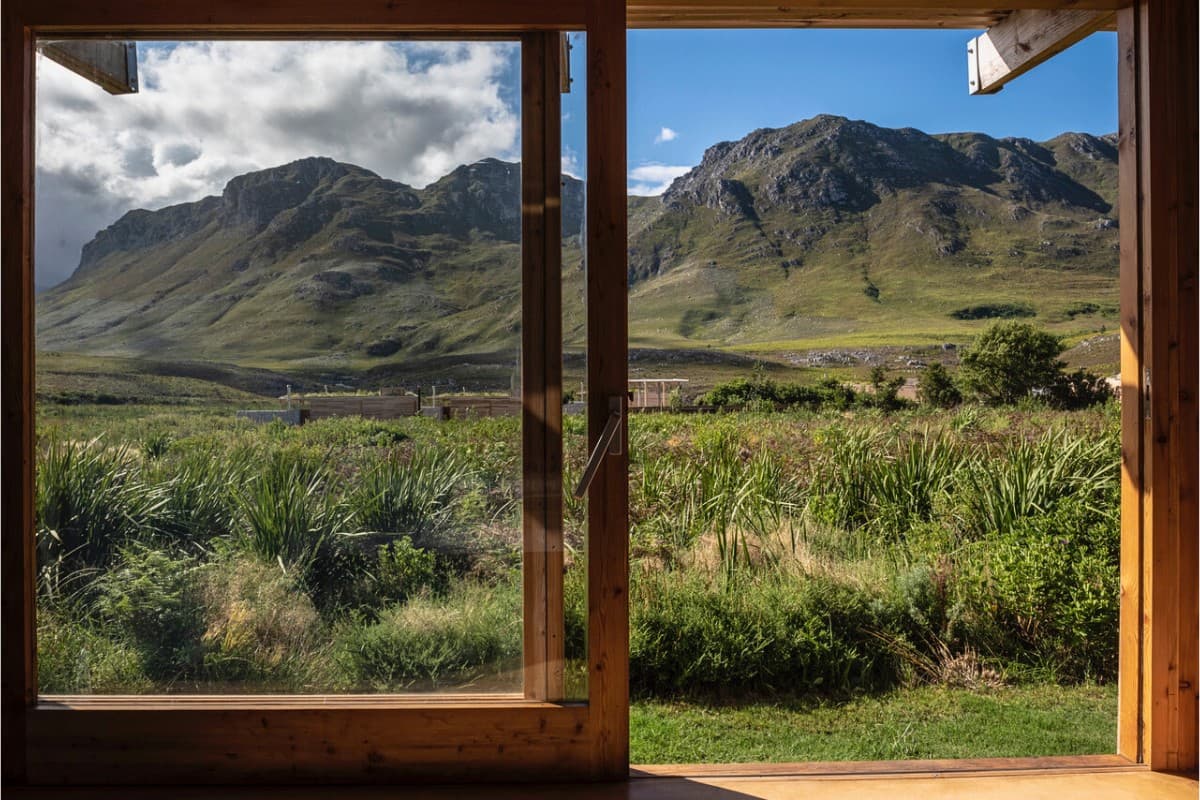
These are the views you swim in from the cabins IMAGE Dave Southwood
Beautiful river swims make great memories
Heatstroke. That’s one thing (not the only thing) I remember about my stay at the Kogelberg eco-cabins.
Strange way to start a review, you might think. But it was precisely because the Palmiet River walk and pools, offering long cool bourbon-coloured swims, lured us deeper along its path that we lost all sense of time. When hunger brought us back to reality at midday, we turned and walked ‘home’ under the scorching sun.
I fainted in the fynbos.
That aside, the river is one of the Kogelberg Nature Reserve’s loveliest features, with gentle pools made for picnics and cooling dips. It’s the kind of space where parents gift children holiday memories that will nourish them all their lives.
EXPERIENCE A walk with this cultural botanist will shake your world

The Palmiet River runs through the centre of the reserve IMAGE Scott Ramsay
Hike, swim, cycle through a landscape built for exploring
CapeNature reserves are designed for people to interact with nature, one park ranger told me in Anysberg, one of the most remote of its reserves. There is wildlife in the reserves, he said, but none you need to be afraid of (excepting snakes), because CapeNature wants people to be able to walk and interact in those wild spaces.
Kogelberg has many trails to choose from, ranging from 10 kilometres to 24, winding through its incredible landscape. The Palmiet is best for families with young children. It’s short and meanders through the valley for about 10kms — and you can make it shorter if it’s too much for the little ones.
Another beauty is the route over Oudebosch Gorge to the Harold Porter Botanical Garden (entry fee is from R55 for adults, depending the season). Pack a picnic and hike up to another set of stunning mountain pools in this gorgeous SANBI garden.
REVIEW This heritage farm stay is ideal for groups and families
There are a few other longer hikes—on one you can even see wild horses—and a mountain-biking option. Sometimes external factors mean the hikes are closed, so check on the CapeNature website beforehand if you have a particular trail in mind.
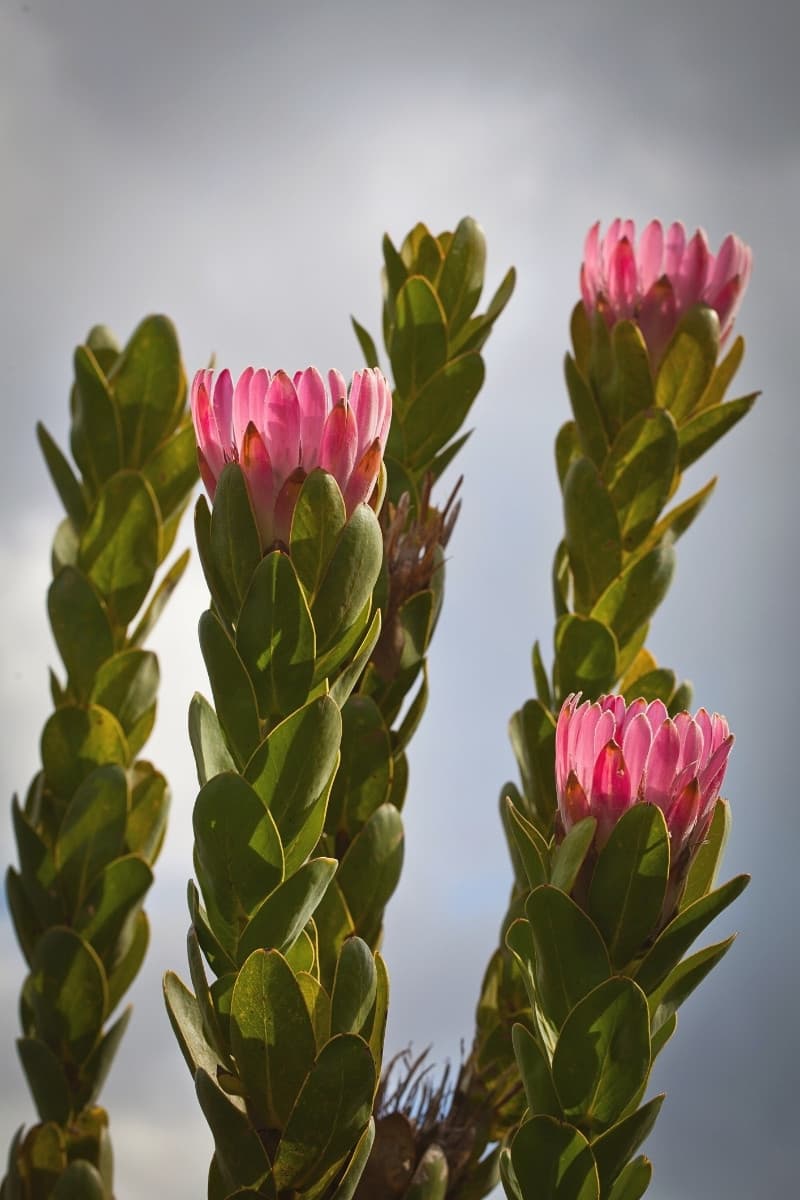
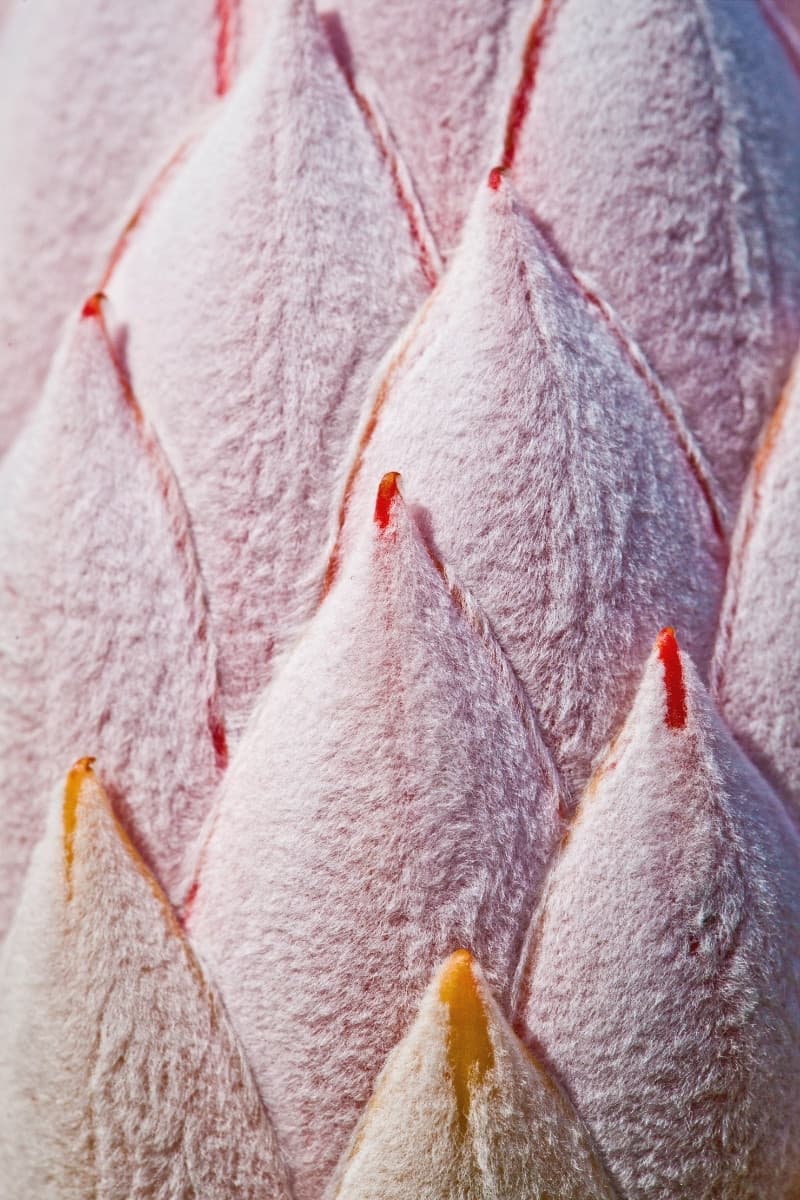
The Kogelberg falls into one of the six floral kingdoms in the world. It’s especially known for its proteas IMAGES Scott Ramsay
A biodiversity hotspot for plant, bird and animal lovers
All of the reserves are gems, but Kogelberg is particularly lovely because it’s in the Kogelberg Biosphere, which is about 100 000 hectares and part of the Cape Floral Kingdom, one of only six floral kingdoms in the world. This makes it an astoundingly rewarding area to spend time in. The reserve alone is known to feature about 1800 plant species, of which about 150 are found only within the reserve.
Recently, there was incredible excitement at the discovery of a species that was thought to be extinct. After four decades, CapeNature the Erica cunoniensis was discovered in the reserve. This should give some idea of how healthy and rich biodiversity in the Kogelberg is.
Where there are lots of plants, the birds will be just as prolific. Just under 240 bird species have been recorded in the reserve to date.
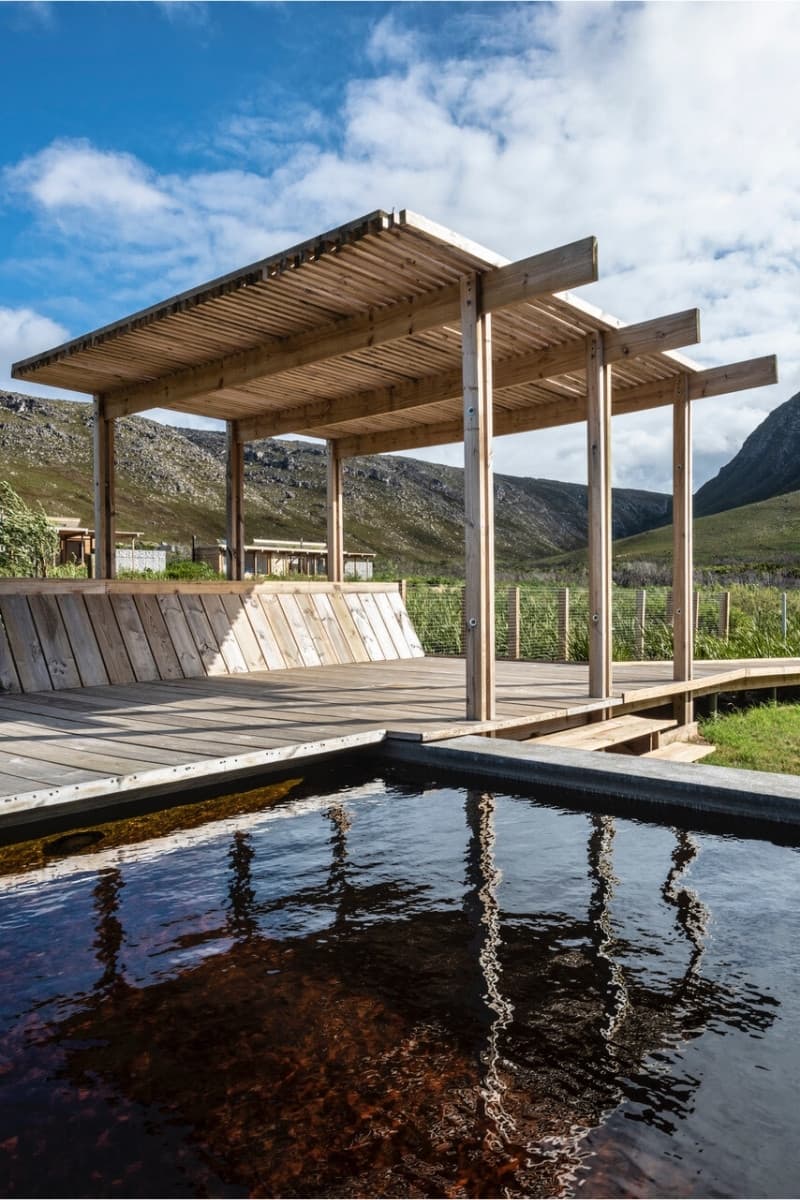
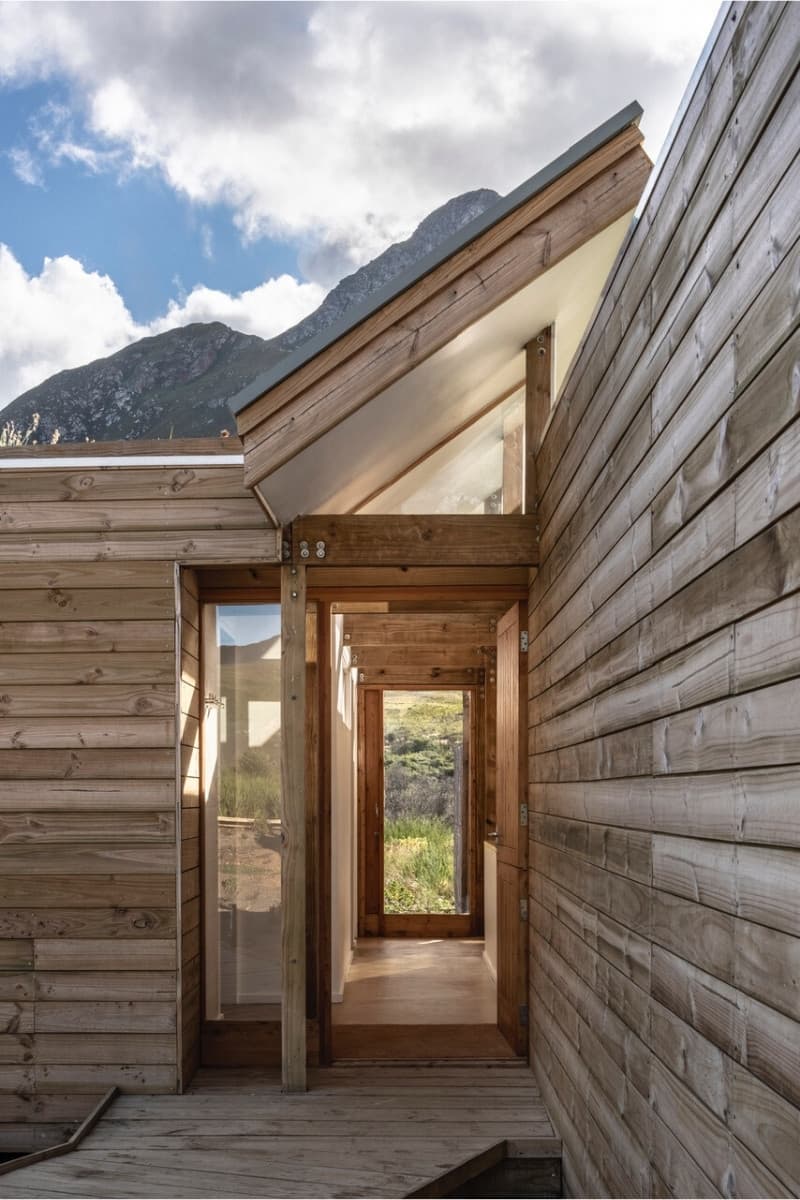
The Mbali cluster was designed by KLG Architects and share an eco-pool IMAGES Dave Southwood
Eco-cabins with a very light footprint (and serious architectural pedigree)
There are two choices of accommodation: the Oudebosch and Mbali eco-cabins, which range from cosy, romantic one-bedroomed pods to family-sized units. Oudebosch won the Holcim Award for Sustainable Construction in 2012 and the Afrisam-SAIA Award for Sustainable Architecture + Innovation. The Mbali cabins were designed by KLG Architects.
In both cases, the cabins are clustered (loosely enough to offer decent privacy) close to an eco-pool. The cabins are extremely comfortable. We chose a couple’s option with a simple and modern interior. The cabins have a Swedish-luxe vibe, with warm wood interiors and clean lines, decks open onto the fynbos, full-length glass windows that look out onto magnificent views in every direction.
The layouts are simple in a cottage for two: a long rectangle starting with an open deck with a braai and table, convivial especially if travelling a group of friends. The deck then becomes the kitchen and lounge area, which was well-equipped and has a fireplace for those chilly evenings. Then into the bedroom space with huge windows and expansive views. It’s all open-plan (not the bathroom, though, so no need to worry) and it’s more than spacious enough.
DETAILS
Stay Accommodation costs range between R1 500 for a cottage for two per night, off-peak, and R4 310 for a four-sleeper in high season (if you qualify as a senior, don’t forget there’s an always-on 30% discount at all CapeNature reserves). There’s also a R65 per person per day fee for activities, R45 for mountain biking.
Need to know It’s self-catering. The closest town is Betty’s Bay (about 10kms away). You can’t bring your own wood (it may bring foreign pests into the ecosystem); you can buy wood there. Also, bring drinking water.
Website CapeNature.co.za
SUSTAINABILITY PROFILE
Energy usage Kogelberg accommodation operates on solar and will be entirely renewable in terms of energy from November, 2025. Eskom will serve as a backup only. Each eco-cabin has a green roof, a natural cooling system and that provides camouflage with nature. A solar geyser plus solar unit operates the Mbali and Oudebosch eco-cabins and Kogelberg office, and all units are fitted with LED bulbs. The solar unit was recently installed for the eco-cabins tracking system and is still being tested.
Water usage Most of the water for the reserve is drawn from the mountain, which flows all year; the remainder is drawn from the river. While guests aren’t asked to limit water use, the infrastructure is designed to reduce use: only the showers, bathroom and kitchen basins have running water. Grey water isn’t recycled. Toilets are waterless enviro loos (they’re fabulous and don’t smell at all).
Waste management Waste is not currently separated and there’s no composting on-site. All waste is taken to the Overstrand’s municipal disposal and waste-management centre.
Community and culture All CapeNature employees live the NATURE values, which stand for Nurture, Advocate, Trust, Unify, Respect, Empower. It’s a shared commitment to conserve the Western Cape’s rich biodiversity while supporting the sustainable wellbeing of the people who depend on it. CapeNature is involved in the Expanded Public Works Programme (EPWP); low-income households in the surrounding communities are given the opportunity for contract employment to build experience and receive training for future permanent employment either within the entity or another company. Staff have individual development plans where training needs are identified for the specific field they work in. Training is either in-house or through service providers or partners. There’s also a wellness programme for staff struggling with personal mental issues or issues related to work. Staff don’t have equity in the business.
Biodiversity and conservation CapeNature’s conservation department’s tasks are planned for the year. This includes monitoring endangered fauna and flora in the area, patrols, law enforcement, firefighting, inspection of alien clearing and firebreak contracts. The organisation also has dedicated contracting teams that are part of the EPWP that focus on various projects, including creating fire breaks and alien clearing. Community members help with alien-clearing initiatives, as well as monitoring endangered species area. No pesticides are used in the reserve, while herbicides are occasionally used for alien-clearing projects and are strictly controlled to reduce the risk of contaminating non-targeted species.