

WESSA's CEO: "It was almost inevitable that I would go into conservation"
Cindy-Lee Cloete grew up in Namaqualand, learning from her grandfather and Nama great-grandmother that nature knows no waste. We sat down to talk sustainability

- Adeleen Cloete
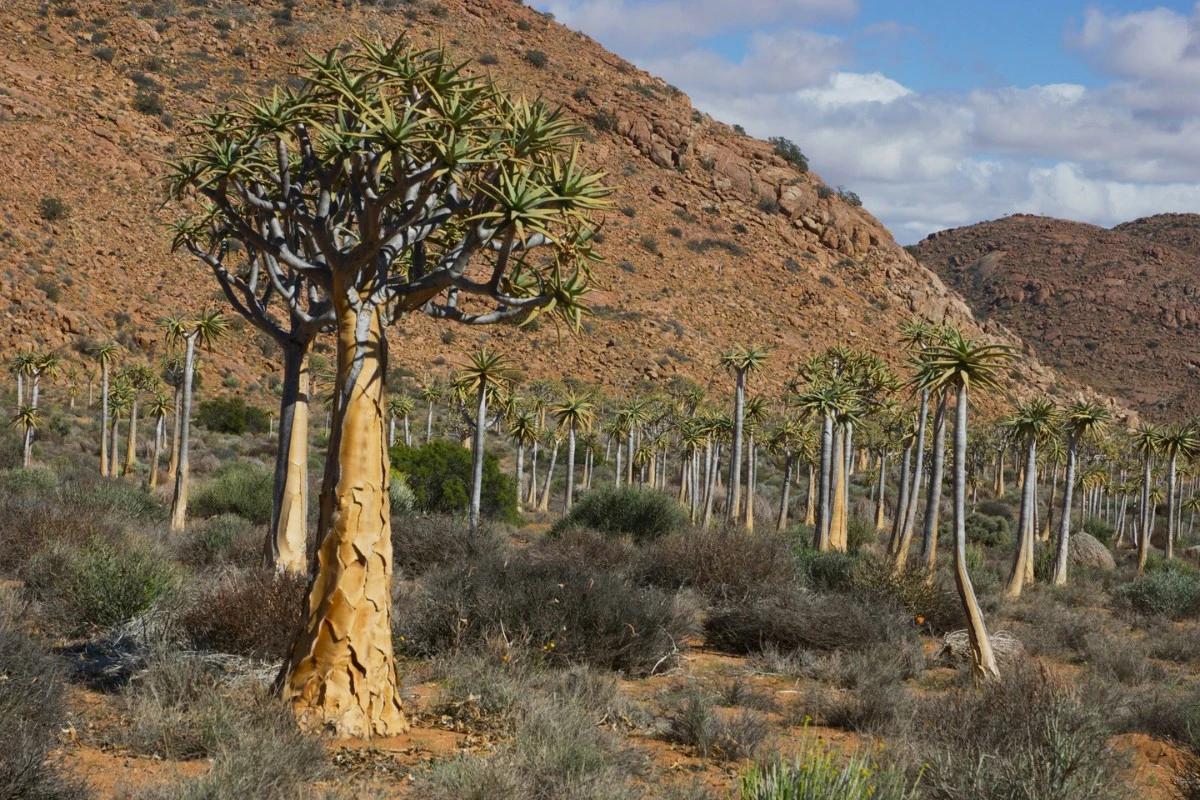
Namaqualand’s semi-arid landscape is a biodiverse treasure,with quiver trees, succulents and seasonal wildflowers IMAGE Ansie Potgieter
Growing up in Namaqualand: a conservation education
Growing up in Steinkopf, Namaqualand wasn’t a limitation… it was a gift. I sometimes find comments implying I’m a small-town girl made good a little offensive. It shaped my love for the environment and it felt almost inevitable that I would pursue a career in conservation.
My entire childhood shaped who I am today. Weekends on my grandfather’s farm gave me an early sense of what sustainable living really means.
I couldn’t wait for my grandfather to return from the diamond mines each weekend… because it meant we would soon be heading to the farm.
I remember standing at the back of an open bakkie… with the other children from the neighbourhood, holding onto the rails — the wind in our hair, the landscape stretching around us. It was also on those gravel tracks that I first learned how to drive, carefully navigating the dual tracks while the other kids cheered from the back.
My grandfather would tell us exaggerated stories… especially when we walked out to where the livestock were grazing. He would speak of snakes chasing him, each version more dramatic than the last, and I would hang onto his every word.
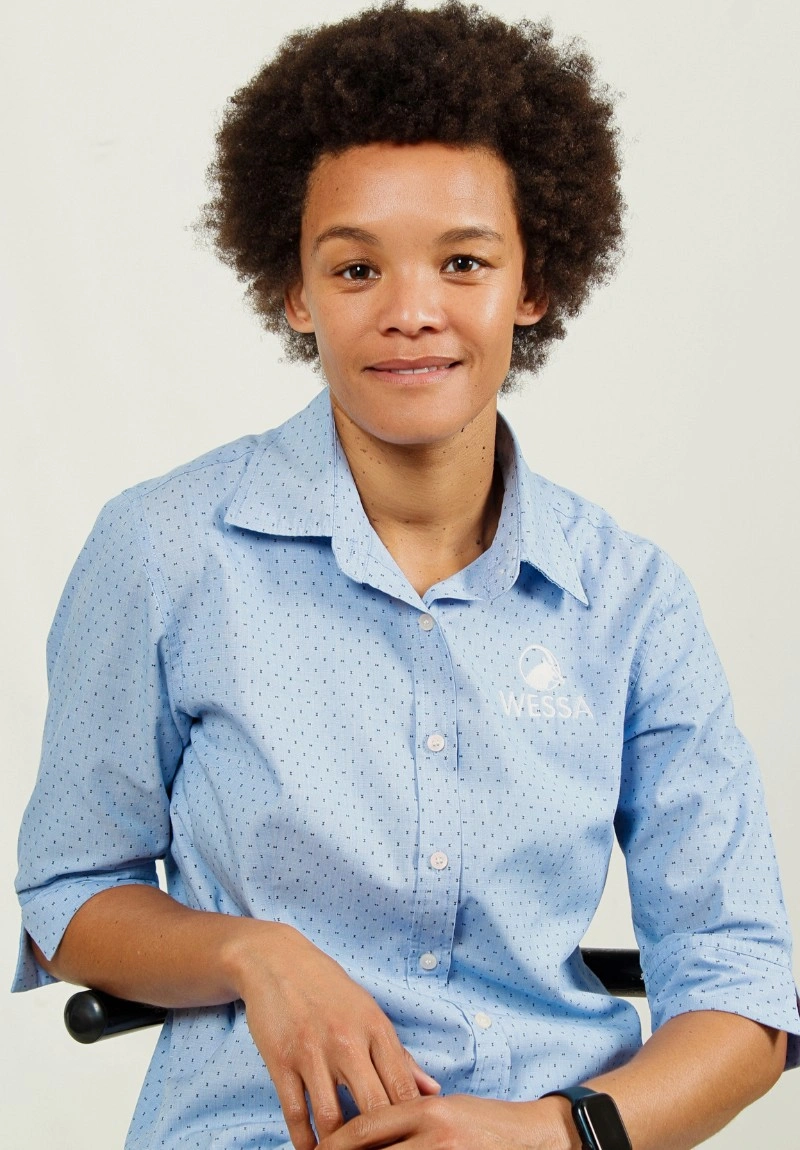
Environmental and social justice are core to Cindy-Lee’s approach to conservation education IMAGE Courtesy WESSA
Indigenous knowledge and sustainable living in South Africa
I learned so much from my grandfather and great-grandmother. Their knowledge of nature passed down across generations, deeply influenced me.
On occasion when my great-grandmother, a Nama woman, joined us… she shared her indigenous knowledge of the plants.
I remember one particular day… when she cut into an aloe plant and handed each of us a piece, but only after insisting she would taste it first. With no teeth, she fooled us by slowly chewing it as if it were something delicious. We followed her lead — only to immediately spit it out, overwhelmed by the bitterness. She laughed, and then explained how aloe was used by hunters to suppress hunger and stay hydrated over long distances.
I witnessed the slaughtering of livestock… for subsistence. What struck me most was how little waste was generated during the process; most parts of the animal were used. It reiterated that nature knows no waste.
EXPERIENCE: A walk with this cultural botanist will shift your worldview
The process felt almost ritualistic… as there was a deep appreciation for the animal. It shaped how I think about consumption to this day, and why I will never stop eating meat.
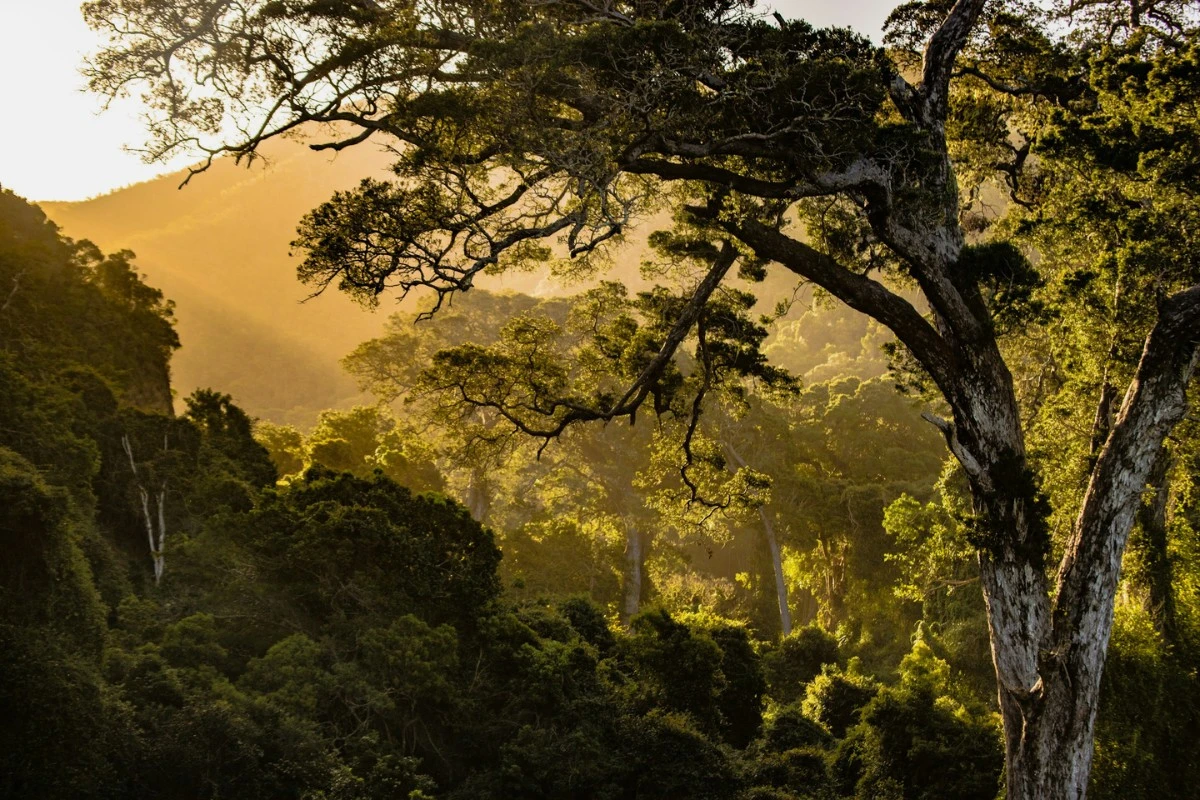
Nature’s Valley is Cindy-Lee’s go-to, decompress place. It’s where she decided to play a bigger role in conservation IMAGE Charl van Rooy
Slow travel in South Africa: how driving changes what you see
I love to travel, but I prefer to drive… because I can experience the landscape much better.
For me, travelling is about… perspective. It opens your eyes to the world beyond your own daily experience.
I’ll never forget my first solo trip… driving through the Eastern Cape, up to KwaZulu-Natal and the Drakensberg, and then back to the Northern Cape. I was struck by how clean some of the rural villages were in the Eastern Cape, which contrasted sharply with the big cities.
Travelling also allows me to engage with people from… all walks of life, different classes, cultures and backgrounds. That’s part of why I love driving so much: I can spend hours on the road, reflecting, observing, and connecting with the spaces I move through.
If I had to pick a favourite place, it would be… Nature’s Valley in the Garden Route. That’s where I find my centre, especially when I feel disconnected from the world or myself. It’s also the place where I first decided what I wanted to contribute to conservation, while working for Nature’s Valley Trust, in South Africa.
Some of my best memories come from travelling with… my family and my partner… I made a vow to show my mother as many places as possible. Those shared moments, watching her delight in the scenery, are among my most treasured.
Now that I think about it, I tend to seek out mountains… or the ocean when I travel. Places like Nature’s Valley, for example, feel quite different from Namaqualand, greener and more lush. Maybe it’s more subconscious.
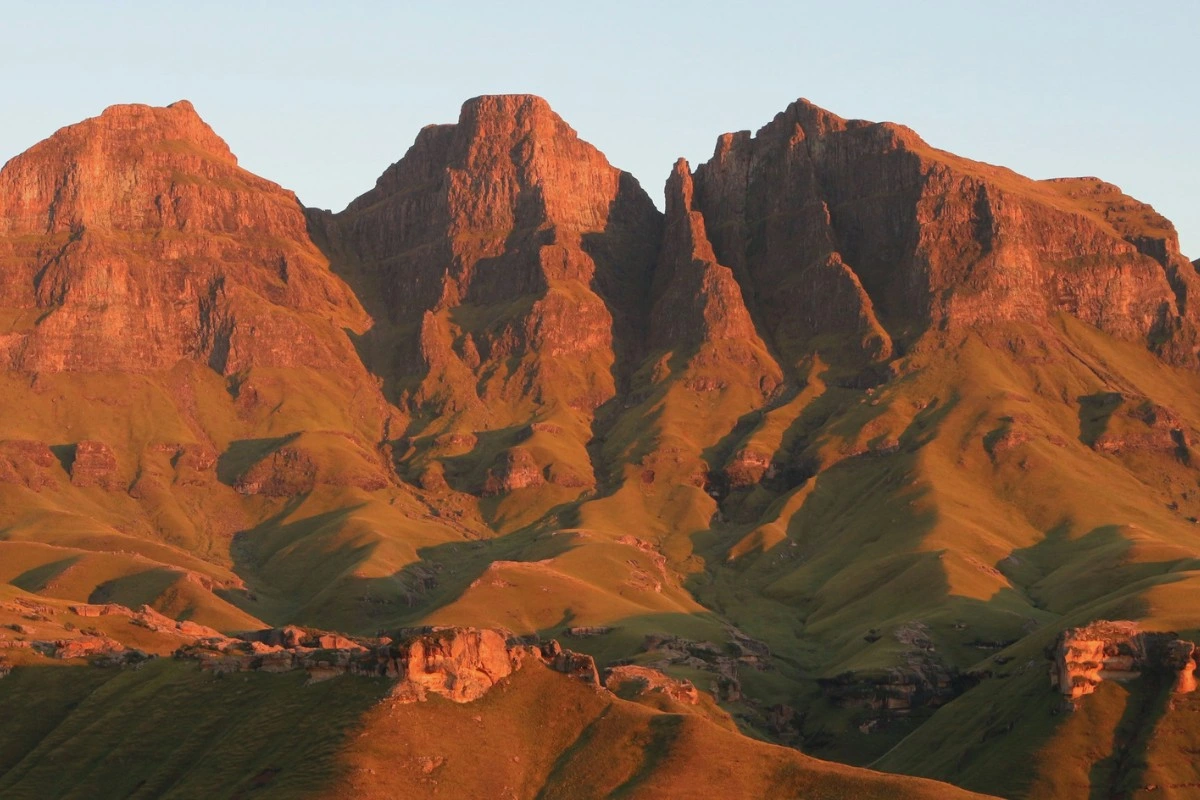
The Drakensberg Mountains. Cindy-Lee is drawn to the contrast from Namaqualand’s scenery IMAGE Arthur Hickinbotham, Unsplash
Sustainable tourism and the WESSA Green Key
When it comes to sustainable tourism, what matters most… to me is making the right choice easy, giving people a clear, accessible option to do the right thing.
That’s part of why WESSA started the… Green Key programme. Employees often ask me, “What can we do?” and I understand why. Environmental challenges can feel so huge that it’s easy to feel powerless.
Going on holiday doesn’t have to be at odds with sustainability. Choosing to stay at places that manage their resources responsibly, that minimise waste, and that actively reduce their environmental impact is one simple but powerful way to contribute.
Equally important is the role of… local communities. I prefer to travel to places where sustainability initiatives actively include locals, where they guide tours, maintain hiking trails, and share their knowledge and culture.
That connection not only enriches the experience… but it ensures that tourism benefits the people who call those places home.
WESSA started developing a sustainable travel policy last year… though it still needs to be ratified by the board. The principles are simple but practical. Wherever possible, we attend meetings online, if no site visits are required, rather than traveling unnecessarily.
Flying is considered only when… there’s a valid reason, like back-to-back meetings in different locations or tight time constraints. Even then, we try to plan carefully … to minimise travel.

Cindy-Lee in the field with WESSA team members IMAGE Courtesy WESSA
South Africa's over-consumption problem is every sector's concern
South Africa has immense potential to shift towards more sustainable models… of production and consumption, but real change will require alignment across sectors: industry, civil society, and, importantly, political will.
People are buying far more than they need… and it’s not always about necessity. It’s about what those purchases represent: identity, status and aspiration.
At the same time, the scale of waste… is impossible to ignore. We exist in a reality where millions of rands worth of food are discarded each year, while so many people go to bed hungry. It raises uncomfortable but necessary questions: Is it sustainable for us to continue down this path of unchecked overconsumption?
Sustainability is not only an environmental issue… it sits at the intersection of economic and social justice.
And yet, within that complexity, there is an important… lever for change; the individual. The moment people begin to question what they buy—and, more importantly, what they choose not to buy—they start to influence change in a very real way.
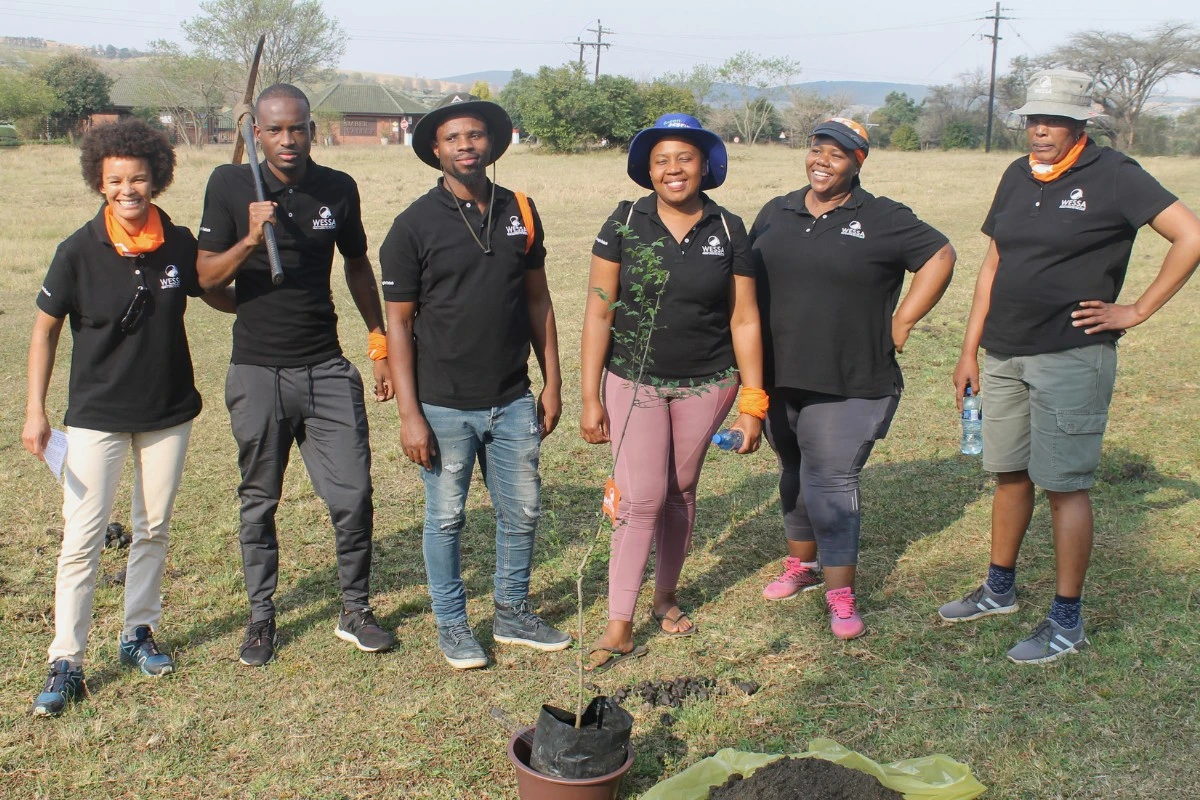
Cindy-Lee and WESSA team members planting trees. Awareness, she says, is only the beginning — it has to lead to action, and ultimately to accountability IMAGE Courtesy WESSA
What WESSA does: environmental education as everyday action
WESSA’s work is about influencing people… shifting mindsets around how we live, consume and care for the environment. The slogan, ‘People caring for the Earth’ has always resonated with me, although over time I’ve found myself thinking of it more as ‘our Earth’, because it carries a stronger sense of shared responsibility.
I don’t see sustainability as something abstract… or removed from daily life. It’s not about changing the entire world at once, it’s about what happens at home, every single day.
The questions we should be asking ourselves are simple: Can I rethink how I consume? Can I rethink what I consider waste? Can I be more conscious of how I use water and energy?
But awareness on its own isn’t enough… It has to lead to action and ultimately to accountability.
Something as simple as linking schools to buy-back programmes… for collected waste not only keeps spaces clean, but also allows schools to reinvest those proceeds into their own development. It creates a clear connection between behaviour and benefit.
At the same time, I don’t think rewards always need to be financial… a clean river, a safe place to swim, a community space that people feel proud of, those are powerful motivators too.
Why conservation must meet people where they are in South Africa
In the South African context, people are navigating… very different realities. For some, the immediate priority is feeding a family, supporting extended relatives, or providing for parents. We don’t always have the privilege of generational wealth being passed down, so responsibility often flows in the opposite direction.
Because of that, I don’t think it’s helpful… to frame environmentalism in a way that ‘others’ people… whether it’s the middle class or lower-income groups. For many, sustainability is simply not the most urgent concern, and that doesn’t make their priorities any less valid.
Environmental issues are what we would call… a ‘wicked problem’ — they are layered, complex and deeply interconnected with social and economic realities. You can’t separate them from the broader context in which people are living.
For me, the role of organisations like WESSA is not to judge… or to shame, but to create awareness in a way that meets people where they are. It’s about helping people understand what choices are available to them within their own realities, and how those choices, however small, can contribute to something bigger.
Evem for me, there’s sometimes a sense of duality… a recognition that these issues aren’t always clear-cut.
Rather than creating a divide between those who are seen to ‘care’… and those who don’t, we should be finding ways to bring those worlds closer together.