

Need a reset? Find it at this Cape Town wellness retreat in a forest garden
Phakalane has a sauna in the trees, yoga studio, no TVs and a live-and-let-live attitude
AT A GLANCE HOW THIS STAY REDUCES ITS IMPACT
Energy usage 46 solar panels; off-grid geysers; reliance on natural light; no air-conditioning
Water usage Borehole; grey water reused
Waste management Organics composted on-site and used in garden; recyclables separated; refillable glass dispensers used
Culture + community Local staff; after-hours transport provided; tips go direct; care for land, people and low-impact living
Biodiversity + ecosystems Garden largely indigenous; no pesticides applied; mostly green cleaning products used
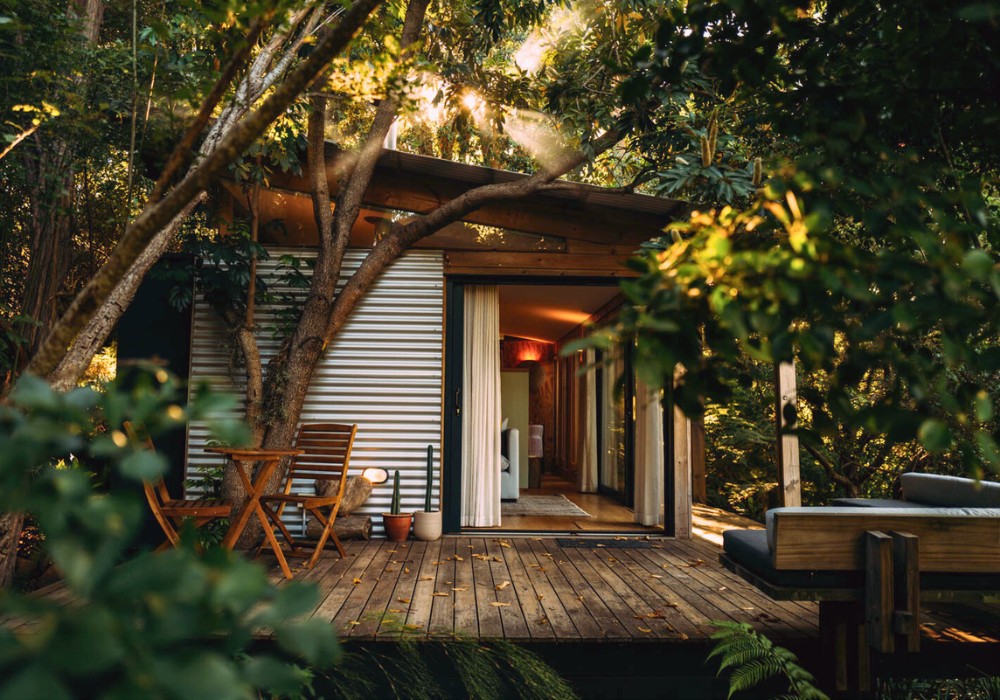
The Water Hut is luxurious, with an outdoor shower and bath IMAGES Versi Creative
There are different ways to stay at Phakalane
Phakalane is a wellness retreat in Cape Town. It’s on the Hout Bay mountainside in rolling grounds of trees, bushes, flowers and lovely little garden nooks. In amongst the greenery is a house with four rooms, and three ‘huts’, ranging from basic to luxurious.
Basic = simple bedroom hut structure with no en-suite (there’s a shared bathroom and toilet close by); luxurious = spacious rooms with a shower, bath and, in some cases, fireplace.
The range of that accommodation, although both versions have their charms, can shape how visitors experience their stay.
WHILE IN CAPE TOWN This walk will change how you see South Africa
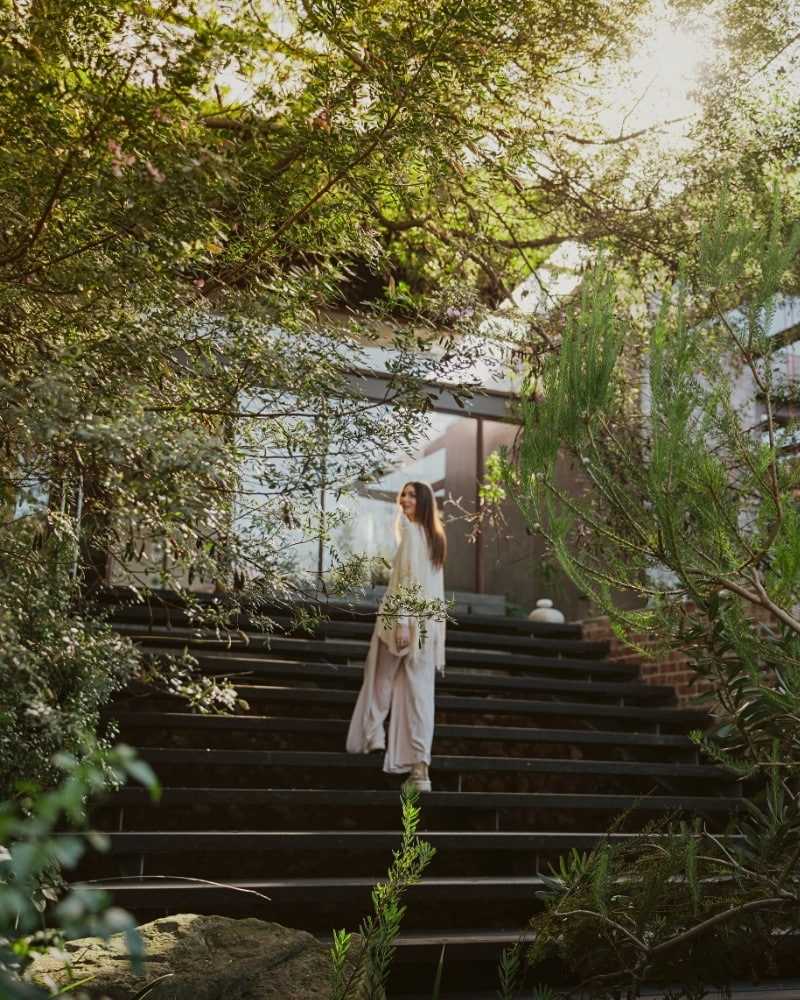
This getaway is set in a beautiful garden with winding pathways IMAGE Versi Creative
What to expect from a mostly self-guided stay
‘Radical self-reliance’ is a phrase familiar to any ‘AfrikaBurner’. AfrikaBurn describes it like this: “to discover, exercise and rely on his or her inner resources”. Phakalane wellness retreat’s approach aligns.
Staff leave at 5pm and after that check-in is via lockbox and guests are largely self-sufficient. If you want guidance—like to be shown around the property and how to operate in the communal kitchen—make sure you arrive when the team is on site.
REVIEW This Cederberg getaway is the ideal for a digital detox
Overnight guests can warm up food, not cook, in the communal kitches. In the morning, the skilled and informed chef produces delicious breakfasts (macadamia nut-butter oats, fresh fruit, creamy scrambled eggs and so on.)
Why evenings here are so calming (you’ll sleep well)
The outside world recedes quickly here. In the evenings, there’s no sound other than water, trees, wind and frogs (we heard owls!). No radios or televisions mean no noise pollution at night (during the day some residential noise is audible).
Stars are visible at night and there’s little light pollution on the property; the quiet and dark are conducive to good, deep sleep. Plus there are many sweet nature spaces on the property to simply be or meditate, very calming for the nervous system.
WHILE IN CAPE TOWN Find out the best local beaches to visit
It could also be that the team’s philosophy of Wabi Sabi—finding beauty in imperfection, impermanence and authenticity, as they describe it—gives the space an ease and permission for visitors to be just as they are.


The yoga and meditation studio is a unique space with excellent acoustics; many of the plants served are grown on site IMAGES Versi Creative
This is an exceptional group wellness retreat space
Phakalane comes into its own as a wellness retreat. In the main house, generous reading spaces let the healing green in, and there are four luxurious en-suite bedrooms and the most splendid yoga and meditation room I’ve yet seen.
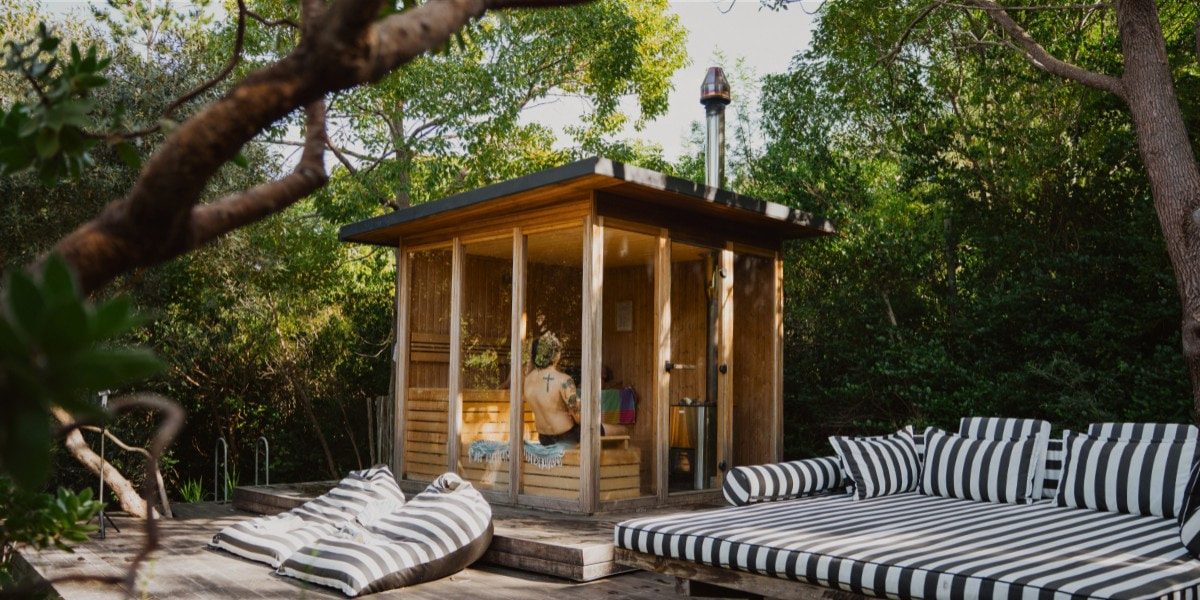
Outside, there’s a raised platform with a spectacular mountain view perfect for yoga, meditation or sundowners, and a sauna and sweat lodge are tucked into the garden.
It would be ideal to hire out the entire property (I imagine it would create a sense of snug group connectedness) and you could create your own course—the website lists many service providers, from nutritionist to yoga instructors and sound healers—to suit your group’s exact needs.

The Water Hut is filled with light and secluded in a copse of trees IMAGE Versi Creative
What solo travellers might want to consider
Reviews show people love their Phakalane experience; it is a unique and special space. We stayed in the Water Hut, and our time was sublime and soothing. We showered under the stars on an elevated wooden platform surrounded by trees, with no sign of another body.
While that big garden full of trees and winding pathways and the solitude felt beautiful and nurturing to us, our colleague—a woman on her own—who stayed in another hut, felt vulnerable. (Note: The manager’s number is made available to guests.)
DETAILS
Stay Accommodation ranges from R2 090 per cottage per night, which sleeps two, to R7 150 per night for the cottage that sleeps four. Breakfast is included.
Need to know There’s a communal kitchen where you can heat up food (airfryer and microwave), but cooking is not allowed so if you’re staying overnight keep this in mind if you’re bringing your dinner; alternatively, order in. The rooms in the main house are gorgeous, but solo guests might feel they’re rattling around if there are no other guests; it’s ideal as a group. Get there before 5pm if you want staff to talk you through your stay. There are no TVs or radios (bliss)—it’s a spiritual/retreat space so guests are asked to respect that.
Activities Sauna sessions and treatments are available to book; do that timeously because the service providers are external (also, be sure to confirm the arrangement). Prices are available on the website. Phakalane is in Hout Bay and there’s plenty to do there and many restaurants if you want to dine out. Check out whatsoninCapeTown.com
Website Phakalaneretreat.com
HOW PHAKALANE APPROACHES SUSTAINABILITY
ENERGY USAGE It runs on a mix of municipal electricity and solar power. Forty-six solar panels support daily energy needs, but the property is not fully off-grid. An off-grid solar geyser system provides hot water. Rooms have no televisions, and buildings are designed to maximise airflow and daylight rather than artificial lighting. Outdoor lights are solar-powered. These measures reduce reliance on electricity from the grid and limits energy demand, especially at night.
WATER USAGE The retreat draws water from an on-site borehole and municipal water is used as back-up during low supply periods (the property is located in the Hout Bay-Constantia-Newlands green belt, one of Cape Town’s wetter areas). Phakalane’s independent water source reduces pressure on the municipal water supply.
WASTE MANAGEMENT Food waste is composted and then re-used in the garden. Recycling is separated on site, with only non-recyclables sent to landfill. Filtered water is served in glass jugs and refillable containers are used where possible, so the use of plastic is minimised.
CULTURE + COMMUNITY Phakalane employs locally and have long-standing staff. It provides transport for late-night work during retreats and all tips go directly to staff. The team takes part in periodic well-being and conflict-resolution sessions. Training and skills development happen on an ad hoc basis rather than through a formal programme.
BIODIVERSITY + ECOSYSTEMS Firewood is sourced from local tree-trimming offcuts. Plants are almost all indigenous plants, except for long-standing pines, and the garden provides habitat for birds and small wildlife. No chemical pesticides are used on the property. Bathroom amenities are Très Nagual (all-natural products) and dishwashing liquid is a Pick ‘n Pay eco range; however, some conventional cleaning and laundry products are used (they expressed the intention to find alternatives to those). Flowers and greenery for decoration come from the garden, and, when in season, fruit and vegetables for meals are sourced from the vegetable garden.